Best Chimney Repair Technicians OH
Get CSIA/NFI-certified chimney specialists in Ohio who adhere to NFPA 211 and local regulations to inspect, clean, repair, and upgrade your installation. We provide documented draft and CO readings, clearance checks, creosote analysis, and verification of caps, crowns, flashing, and liners. Available services include HEPA sweeping, waterproofing, masonry restoration, stainless caps, top-sealing dampers, and EPA-certified inserts. Proper liner sizing and insulation boost safety and efficiency. Inquire about photo reports, permits, warranties, and insurance. Discover ways to identify the right contractor and services now.
Key Takeaways
- We conduct CSIA-standard inspections following NFPA 211 and Ohio code, including thorough records of draft evaluation, CO measurements, clearance requirements, and detailed Level II reports documented with photographic evidence.
- Comprehensive chimney cleaning and creosote elimination with HEPA containment systems; scheduled seasonal maintenance and draft regulation and moisture prevention to stop deposits from forming.
- Immediate service for CO detector alerts, smoke presence, draft problems, water infiltration, masonry deterioration, or obstruction signals.
- We specialize in repairs and waterproofing including chimney crowns, caps, flashing repairs, mortar work, and protective sealers, and wildlife prevention with appropriate screening solutions.
- We offer chimney liner installations and performance upgrades, including durable stainless steel chimney liners, certified fireplace inserts, top-sealing dampers, and calibrated draft regulation for improved safety and operational efficiency.
Why Routine Chimney Inspections Matter in Ohio
Even if your fireplace sees light use, Ohio's seasonal weather patterns can rapidly deteriorate masonry, flue liners, and caps. Periodic chimney inspections are essential to verify structural condition, proper clearances, and venting requirements per NFPA 211 and local code. A certified technician will examine creosote levels, look for moisture damage, evaluate crown and flashing, and verify that termination devices and dampers function properly. They'll also check combustion air pathways and monitor carbon monoxide hazards.
Professional evaluations help maintain seasonal upkeep by identifying developing issues including hairline mortar cracks, brick damage, and metalwork degradation before major problems develop. You can decrease fire risks, boost chimney efficiency, and extend appliance durability. Don't forget to add wildlife prevention by confirming properly fitted covers and mesh configured to block unwanted animal visitors from making nests without blocking ventilation.
Warning Signs Your Chimney or Fireplace Requires Urgent Service
Scheduled checks detect problems in their early stages, but you should watch for signals that demand immediate service to meet requirements of NFPA 211 and Ohio building codes. When you detect persistent smoke odor, weak ventilation, or black residue, you may be dealing with a blocked ventilation or dangerous creosote accumulation that elevates fire risk. Install carbon monoxide detectors and respond immediately to CO warnings. Watch for moisture marks on ceilings or near the firebox, which indicate a damaged flashing. Be aware of animal activity and blockages. Examine for tilting, damaged brickwork, or structural damage requiring immediate assessment. Problematic or slow-burning flames indicate airflow problems. Any exhaust backup, falling embers, or loose fragments needs a CSIA-certified inspection without delay.
Essential Guidelines for Yearly Cleaning and Creosote Removal
For best results, book a CSIA-certified chimney sweep at least once during each heating season - or more frequently if you use your fireplace often or detect Stage 2-3 creosote. This adheres to NFPA 211 guidelines and helps prevent creosote buildup. Consider booking during off-peak times to avoid delays. A trained specialist will inspect system safety, draft performance, clearance requirements, and pipe conditions, before eliminating built-up debris and creosote using appropriate maintenance tools and HEPA air filtering.
You can help between burning sessions by following these guidelines: burn only seasoned hardwood (with moisture below 20% moisture), ensure proper air circulation to stop smoldering, and ensure flue temperatures consistent. Install a thermometer on your stove and verify smoke path components are secure. After burning through each cord, examine for 1/8 inch deposits; when reaching 1/4 inch, stop using the appliance until thoroughly cleaned.
Repair Services: Masonry, Crowns, Caps, and Waterproofing
Following creosote maintenance, you must preserve the chimney's structural integrity and weather protection. Ohio's freeze-thaw cycles can damage brick and mortar joints, so arrange joint restoration using ASTM-approved building materials and compatible joint tooling for current mortar joints. Repair deteriorated crowns using a bonded, fiber-reinforced cement blend, properly angled and featuring an protruding drainage edge for moisture control. Install or replace stainless-steel caps with corrosion-resistant attachments and properly sized spark arrestors designed to the chimney outlet.
Prioritize the repair of flashing where roofs intersect, properly installing step and counter-flashing within mortar joints. Follow NFPA 211 guidelines. Apply vapor-permeable waterproofing solutions to exterior masonry and don't use film-forming sealers that lock in moisture. Document thoroughly all repairs, curing periods, and warranties, and set up regular seasonal inspections to monitor effectiveness.
A Complete Guide to Chimney Liners: Types, Benefits, and Installation Process
The selection of a liner material - consisting of stainless steel, aluminum, clay tile, or cast-in-place - is determined by code requirements, fuel type, and flue specifications. The correct liner improves draft, boosts appliance efficiency, and shields masonry from heat and corrosive condensates to maintain UL-listed clearances and NFPA 211 compliance. When installing, an authorized installer sizes the liner, installs insulation as required, aligns and anchors the system, secures joints and termination, and conducts safety testing for safety verification.
Material Options for Your Liner
When choosing a suitable chimney liner material involves aligning it to your equipment, fuel specifications, and local requirements. Stainless liners offer versatility, durability, and are UL-listed for various fuel sources including wood, oil, and gas. You may select rigid stainless for vertical chimneys or flexible stainless for curves; choose 316 grade for oil/wood applications and 304 for gas when acceptable. Add insulation as needed to ensure safe clearances and correct exhaust temperatures.
Ceramic solutions consist of both clay tile and cast-in-place solutions. Clay provides a cost-effective option for new masonry work but demands correct sizing and solid joint integrity. Cast-in-place systems read more reinforce aging chimneys and establish a seamless, high-heat tolerant flue.
Take into account corrosion rating, heat shock tolerance, and diameter specifications in accordance with NFPA 211 and manufacturer specifications. Be sure to verify fitting compatibility, terminal fittings, and compliance with Ohio regulations prior to installation.
Security and Performance
While liner selection begins with materials and dimensions, safety and efficiency depend on how well the liner controls heat, draft, and combustion byproducts as specified by regulations. You need a continuous, properly sized flue path to maintain proper draft, enhance chimney performance, and avoid cooling of exhaust gases that leads to condensed creosote or acids. Adequate insulation preserves chimney temperature, optimizing burning efficiency and minimizing ignition risks. Chemical-resistant liners manage CO and moisture, preserving the masonry structure and adjacent flammable materials.
Match the liner diameter to match the appliance outlet following NFPA 211 and manufacturer listings; using too large a diameter weakens draft, using too small a diameter elevates stack temperature and gas escape. Check all connections and spacing meet gas-tight standards. Mount carbon monoxide detectors on each floor and close to sleeping areas. Arrange annual Level II assessments and log performance measurements: CO levels, draft measurements, and temperature readings.
Installation Process Overview
The installation process focuses on creating a continuous, code-compliant flue system that corresponds to the equipment and ventilation needs. To begin, we validate the appliance BTU rating, fuel type, and chimney height to properly size the liner according to NFPA 211 and manufacturer requirements. We pull local permit documentation, document existing specifications, and schedule necessary inspections.
Subsequently, we make preparations for the flue, remove obstructions, and fit the chosen liner (cast-in-place), incorporating insulated components where clearance-to-combustibles demands. We terminate with a listed cap, attach top plate, and properly sealed thimble or appliance connector. We then conduct smoke testing for safety.
The majority of installations finish in just one day; however, complex offsets, masonry repairs, or rain delays might extend the project to 2-3 days. We'll provide final inspection certification and all necessary documentation.
Energy-Saving Solutions: Draft Control, Inserts, and Damper Systems
Boost performance and reduce emissions by installing an EPA-certified fireplace insert that's correctly dimensioned and ventilated to your flue. Incorporate a gasketed, top-sealing damper to minimize heat escape, keep out moisture and pests, and comply with local mechanical and fire code requirements. Lastly, enhance draft control with measured sealing, chimney shelf and passage modifications, and airflow balancing measures to prevent backdrafts and ensure proper burning.
Advanced Fireplace Inserts
Improve warmth generation and decrease fuel waste by fitting a high-efficiency fireplace insert engineered to meet modern codes and EPA emissions standards. You'll upgrade an open masonry fireplace into a sealed combustion system with a certified liner, heat-resistant surround, and sealed door gaskets that increase efficiency and reduce particulate emissions.
Choose a pellet, gas, or wood insert sized correctly for the room's heat load to achieve optimal zone heating. Our team will confirm safe installation distances, hearth protection, and correct venting as specified in NFPA 211 and Ohio Residential Code. Optimized airflow is critical: we match the insert to a listed stainless liner, determine proper flue height, and adjust combustion air to reduce backdrafts.
Enjoy precise combustion, longer runtimes, and dependable thermostatic management-plus more secure operation, easier maintenance, and reduced fuel consumption.
Key Benefits of Top-Sealing Dampers
A top-sealing damper, often overlooked, provides essential protection by sealing the flue at the chimney crown. This important component eliminates conditioned air loss, blocks annoying downdrafts, and prevents water damage and pest entry. Through its superior sealing mechanism, it helps decrease the cold air column in the flue, boosting energy conservation and reducing stack-effect heat loss during the long winter months in Ohio. Moreover, you'll preserve your flue from weather-related deterioration, reducing freeze-thaw damage and wear.
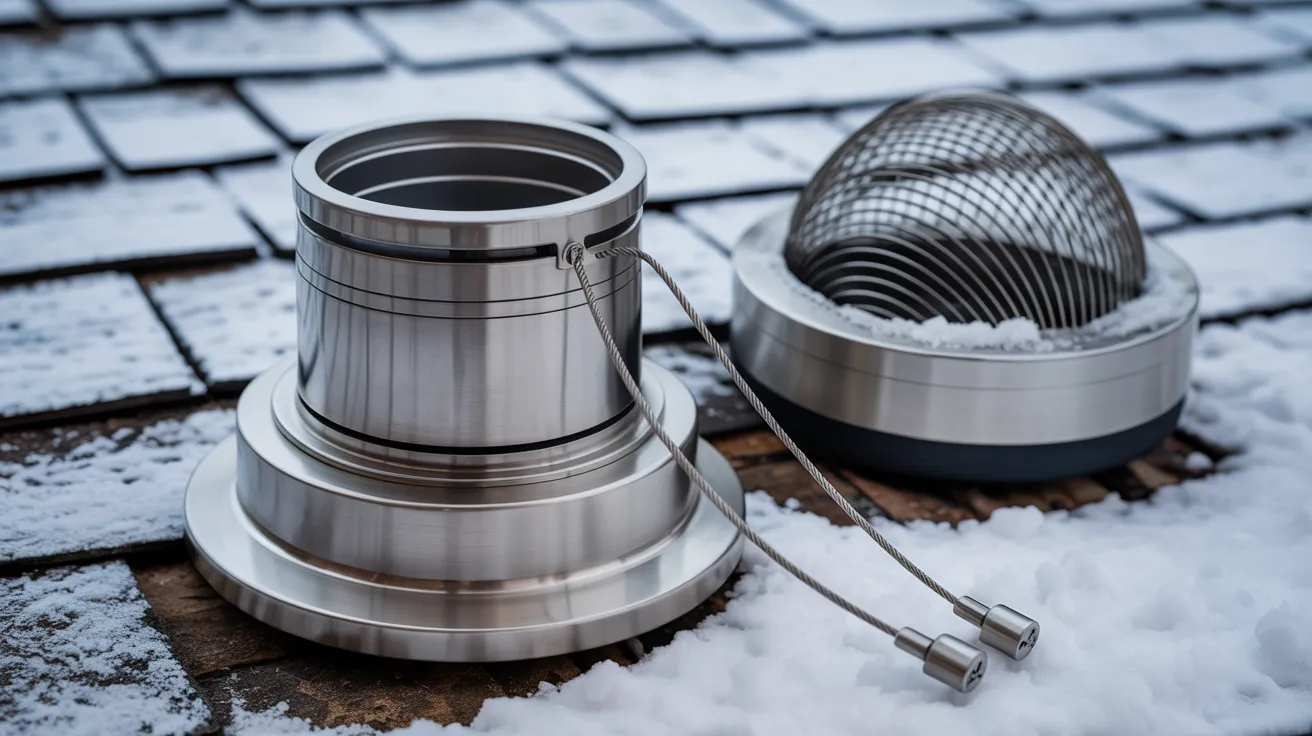
Equipped with stainless hardware and a high-temperature gasket, functioning via a firebox-mounted cable. You must ensure complete opening before kindling any fire to ensure proper combustion and safe venting per NFPA 211. We carefully size and secure the frame to correspond to your flue tile, verify lid travel and seal compression, and ensure smoke-tight closure for standards-compliant performance.
Draft Control and Sealing
Getting draft control perfect starts with weatherproofing the whole system from start to finish-firebox, throat, smoke chamber, flue, and cap-so airflow and exhaust move as designed without thermal inefficiency. You'll reduce leakage that cools the flue, diminishes draft strength, and could cause backdrafting. We put in code-compliant refractory repairs, apply smooth parging to chambers, restore clay joint integrity, and secure steel liners with listed components. Then we optimize airflow balance: ensure proper flue sizing, confirm adequate makeup air, and adjust damper settings for stable negative pressure. Installations include precise-fitting frames and thermal-lined conduits to prevent dilution air. We check clearances to combustibles, chimney height per 3‑2‑10, and CO protection. Lastly, we conduct pressure testing, verify draft readings, and document compliance for your files.
Selecting an Expert Chimney Specialist in Ohio
Before hiring anyone to evaluate, clean, or fix your chimney in Ohio, be certain to confirm they hold current, recognized credentials and meet state and local code requirements. Ask for CSIA or NFI certification and evidence of ongoing education. Request written specifications, photo documentation, and code references for all Certified inspections. Confirm they comply with NFPA 211, IRC/IMC, and manufacturer listings for installations, spacing, and endpoints.
Verify licensing verification via the Ohio Construction Industry Licensing Board where applicable, and ensure the contractor maintains Ohio-accepted insurance coverage for liability and workers' compensation. Request current local licensing and completed inspection forms. Verify their BBB standing, documented training for gas appliances, and carbon monoxide testing equipment. Request comprehensive estimates, warranty documentation, and a detailed remediation strategy for Level 2 findings after appliance replacement or chimney relining.
FAQ
What Should You Expect to Pay for Chimney and Fireplace Services in Ohio?
The typical cost ranges from $100-$250 for a Level 1 sweep, $200-$400 for safety inspections, and $300-$1,200 for basic masonry and crown work. A full relining project runs $1,500-$4,000; tuckpointing services range from $8-$20 per linear foot. Installations or rebuilds vary widely by code and materials. Emergency service calls include $100-$300 for non-standard hours. Request written, code-compliant scope with NFPA 211 references and insurance verification. Confirm Level 2/3 inspection requirements prior to real estate transactions or following fire incidents.
Are Seasonal Discounts and Maintenance Plans Available?
Indeed - various companies feature subscription packages and seasonal offers. With seasonal heating needs spiking up to 30%, you'll benefit by booking during slower periods. Watch for discounted NFPA 211-compliant Level 1 inspections bundled with sweep services, priority scheduling, and multi-flue pricing. Annual maintenance subscriptions typically include leak testing, cap/damper inspections, and CO/combustion safety verification. Review written scope, code compliance, and CSIA certification, and confirm exclusions (masonry repairs, liners) before enrolling to maintain safety and warranty validity.
How Long Does a Standard Chimney Service Appointment Take?
Schedule 60-90 minutes for your appointment. This appointment time encompasses setup, access, and a complete NFPA 211-compliant inspection. We'll provide a thorough Level I visual inspection, with draft testing and clearance verification, and a comprehensive technical report verifying flue integrity, cap condition, crown, firebox, and smoke chamber. If sweeping is required, plan for an additional 30-60 minutes using our HEPA-filtered cleaning system. Additional time is needed for Level II camera inspections or masonry repairs. Make sure all pets are safely confined and the firebox has been inactive for 12 hours beforehand.
Are Chimney Permits and Inspections Required in Ohio Municipalities?
Indeed - numerous Ohio cities mandate permits and inspections for chimneys. Think of hot ash touching dry debris: this is the reason for building codes and safety regulations. You'll usually need a permit for fireplace installations, chimney relining, flue modifications, or height adjustments, with both preliminary and final inspections. Check local modifications to the residential building code, zoning requirements, and fire safety standards. Call your building department, submit plans, and schedule inspections to ensure regulatory compliance, insurance coverage, and safety.
Are Wood, Gas, and Pellet Appliances Included in One Service Visit
Yes, but only if the scope fits each appliance's requirements. You need to consider different fuel types and venting differences, so a single visit can inspect all units, but specific services will be different. Professionals check clearances, connectors, and terminations; check draft, combustion air, and CO; and service flues specific to wood, gas, and pellet systems. They'll follow NFPA 211 and manufacturer specs, note problems, and advise if separate cleaning, parts, or specialized diagnostics are needed.
In Summary
You've probably heard the theory that Ohio's less severe winters mean regular chimney care isn't necessary. Check this theory: inspect your flue after just one season. You'll probably discover creosote buildup, frost-jacked mortar, or a deteriorated cap-all NFPA 211 hazards. When you arrange Level I-II inspections, code-compliant cleanings, and UL-listed chimney components, you reduce ventilation problems, safety risks, and structural issues. Opt for a CSIA- or NFI-certified specialist, check permits, and demand written scope and photos. Protection and performance know no season. They're systemic.